Serving Waterford, West Branch, and clients across Michigan through Bagley & Langan, PLLC. Meet your Michigan attorney.
Start with the injury.
Look closely at responsibility.
A dog bite or a fall can leave you with medical bills, time away from work, and a recovery that disrupts daily life. I investigate what happened, who may be responsible, and what evidence and coverage may support the claim.

A prior bite is not always required.
Michigan’s dog-bite statute, MCL 287.351, can hold a dog’s owner liable when the dog bites someone without provocation while the person is on public property or lawfully on private property. Statutory liability does not depend on a history of viciousness or the owner’s knowledge of it.
The details still matter: whether a bite occurred, who owned the dog, where you were, whether you were lawfully there, and whether provocation is disputed. An injury involving a dog without a bite may require a different legal theory.
What I look for
Photographs of the injuries and healing, witness accounts, animal-control records, ownership information, and potentially available homeowners or renters liability coverage. Medical records help document physical injury, scarring, and the lasting impact.
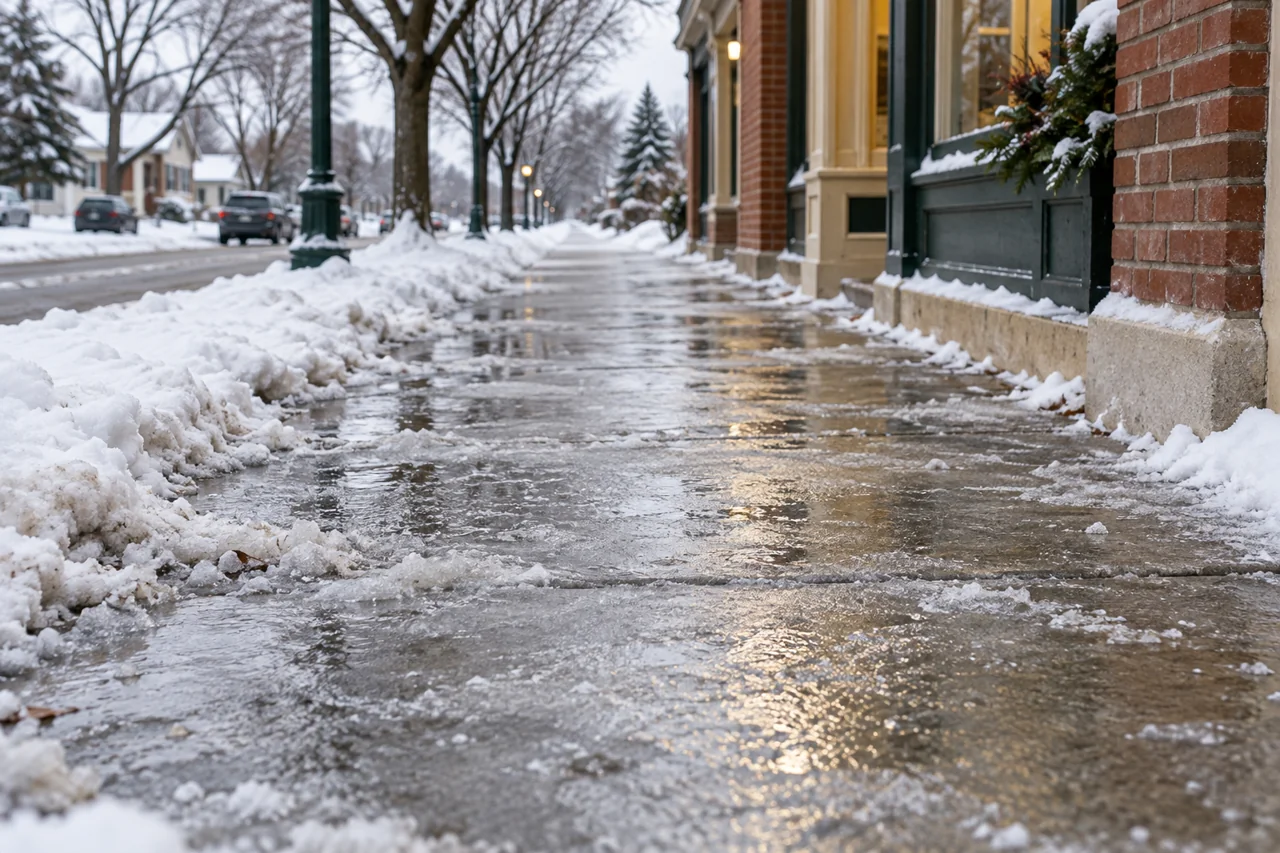
The surface tells part of the story.
Ice, snow, spills, or another slippery condition can raise questions about the care taken by the party possessing or controlling the property. A fall alone does not establish liability. The condition, your reason for being there, notice, reasonable precautions, and what caused the fall all matter.
I examine photographs, weather and maintenance records, incident reports, surveillance, and witnesses. Evidence that the possessor knew of the hazard—or that its nature or duration should have led to its discovery—can be important. Snow and ice claims require attention to the actual conditions and timing.

Identify the defect.
Preserve the proof.
Uneven pavement, broken steps, loose floor coverings, or cords across a walkway may create a tripping hazard. I look at the exact condition, who controlled the area, what they knew or should have known, and whether the defect caused the injury.
Close-up and wider photographs, measurements, lighting, inspection records, and witness information may help show the hazard and its history. The fact that a defect was visible is relevant, but it does not by itself answer every liability question.
“Open and obvious” is not the whole analysis.
In Kandil-Elsayed v F & E Oil, Inc. (2023), the Michigan Supreme Court changed the role of obvious hazards in claims by invitees, such as business customers. A land possessor owes invitees reasonable care against unreasonable risks from dangerous property conditions.
The hazard’s obviousness is considered in evaluating breach and comparative fault, rather than eliminating that duty. The analysis also asks whether the possessor should have anticipated the harm despite the hazard’s obviousness.
This does not make a property possessor automatically responsible. Duty, breach, causation, and damages still need proof. The duty can differ for social guests and trespassers. Public-property and landlord-tenant matters can involve additional rules.
Comparative fault can affect recovery.
In a negligence claim, fault attributed to the injured person can reduce damages. Under MCL 600.2959, noneconomic damages are unavailable when that person’s fault exceeds the combined fault of the others; economic damages are reduced by the person’s percentage of fault. Evaluating the facts early helps address those arguments.
Don’t let the evidence disappear.
Get appropriate medical care, report the incident, and preserve photographs, relevant footwear or clothing, messages, and witness details. Surveillance can be overwritten and conditions can change. Contact me promptly so we can discuss the evidence and deadlines that apply to your situation.
References & current Michigan law
- MCL 287.351 — Dog owner liability for bites
- Kandil-Elsayed / Pinsky — Michigan Supreme Court (2023)
- Lowrey — Actual or constructive notice (2016)
- MCL 600.2959 — Comparative fault
Reviewed October 22, 2026. General information, not legal advice. This page summarizes selected rules; the applicable duties, defenses, and deadlines depend on the facts.